



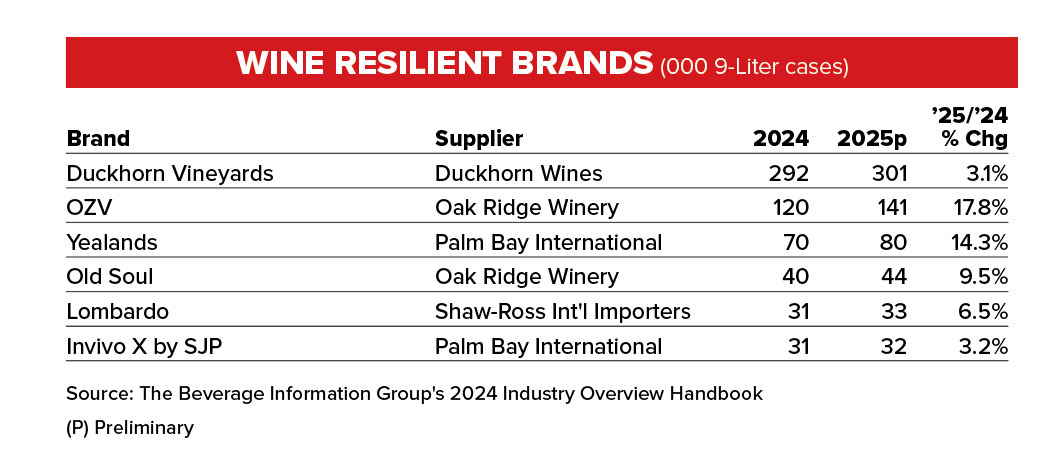
“Consumption of wine is down across the board, and while consumers are purchasing fewer bottles, they are placing greater emphasis on quality and value,” says Emily Styron, director of marketing at Oak Ridge Winery. “And if the category isn’t growing, that means our growth has to come from taking share, which means our brand differentiation and execution are more important than ever.”
Considering that Oak Ridge won three Growth Brands Awards this year, for Maggio, Old Soul and OZV, it must be doing something right. “We’re not in the business of chasing trends — we’re not large enough for that,” Styron says. “So we need to lower the barriers of entry for potential wine drinkers and engage with consumers where they’re at.”
Where many of them are is at the corner of health and wellness. “The biggest shifts we’re seeing are around moderation, occasion expansion and a desire for more approachable, lifestyle-oriented wine brands,” says Brie Wohld, vice president of marketing for Trinchero Family Wine & Spirits, which won four Wine Growth Brands this year. “Consumers are increasingly looking for products that fit into a wider range of moments, whether that’s lighter styles, lower-alcohol options or alcohol-free alternatives, without sacrificing quality or experience.”
People who drink wine are increasingly choosing quality over quantity, “and that plays directly to our strengths,” says Shilah Salmon, senior vice president, brand management, luxury brands, for Duckhorn Vineyards. “At the same time, health and wellness consciousness is reshaping purchase decisions across the category.”
Duckhorn Wines in December 2025 debuted Featherweight cabernet sauvignon, its first red wine in Featherweight’s lower-calorie, lower-alcohol offerings, says Chanel Caplan, senior vice president, brand management, premium brands. The cab “builds on the proven success of the Featherweight tier, which was first launched in 2023.”
The betterment space — lower-alcohol, lower-calorie, wellness-aligned choices — is a bright spot in wine, Caplan says. “Consumers, especially Millennials, increasingly want balance, moderation and functional alignment, but without sacrificing flavor or the premium cues they expect from Decoy.”
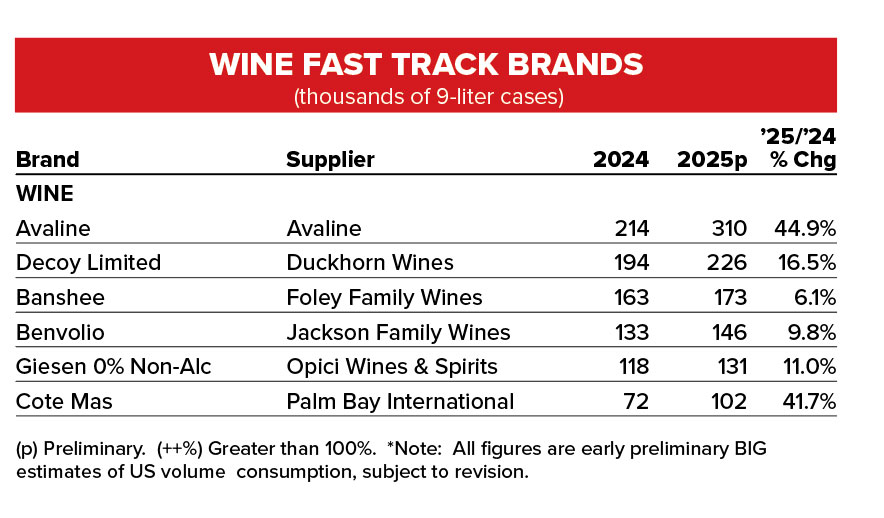
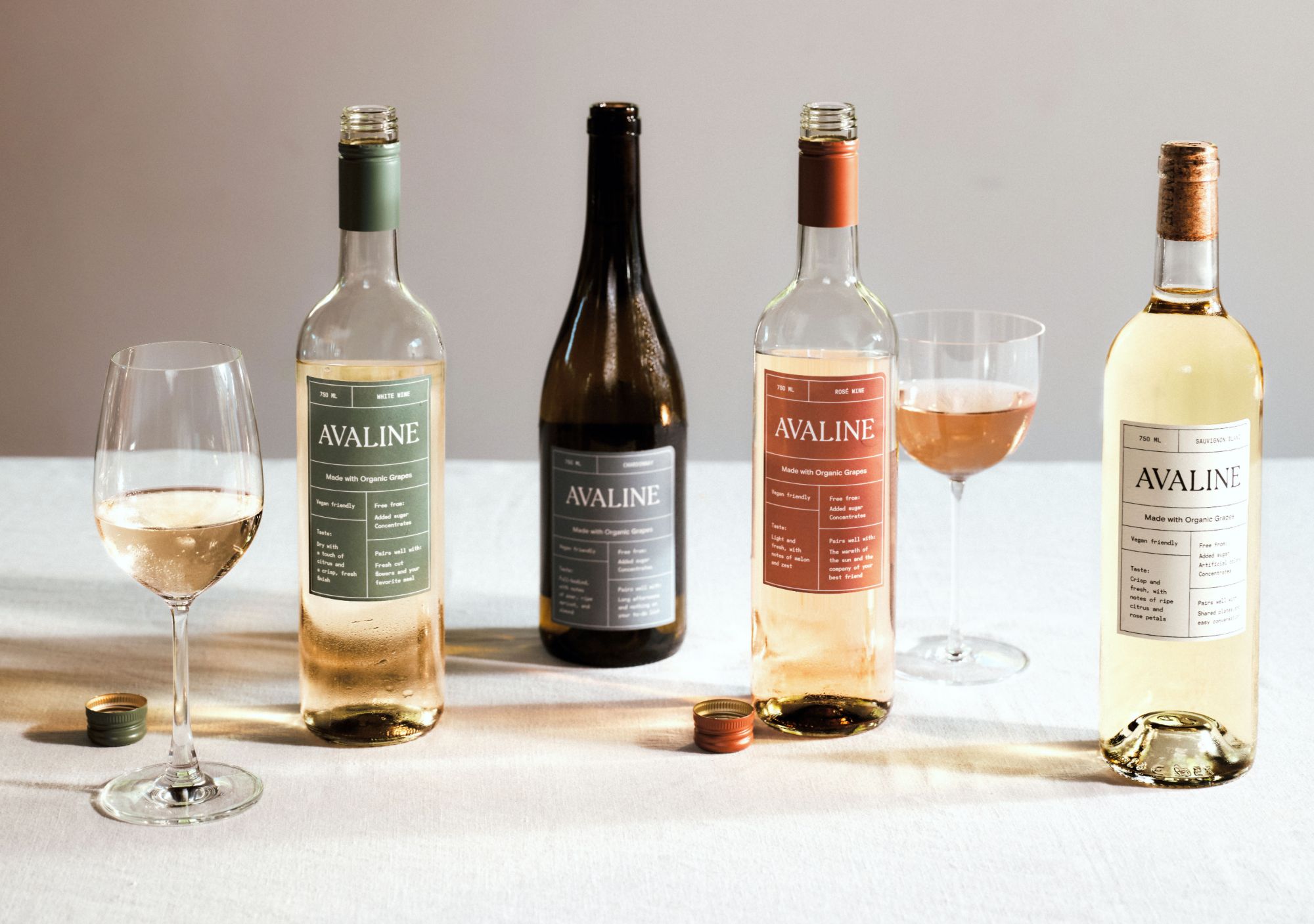
Indeed, the wine industry is seeing a broader shift toward wellness and intentional consumption, says Jennifer Purcell, CEO of the Fast Track brand Avaline. “Consumers, particularly Gen Z, are prioritizing products that align with their lifestyles, from lower-sugar options to organic ingredients and greater transparency. Brands that can deliver on quality, trust and approachability are best positioned to win in this environment, and that’s exactly where Avaline sits.”
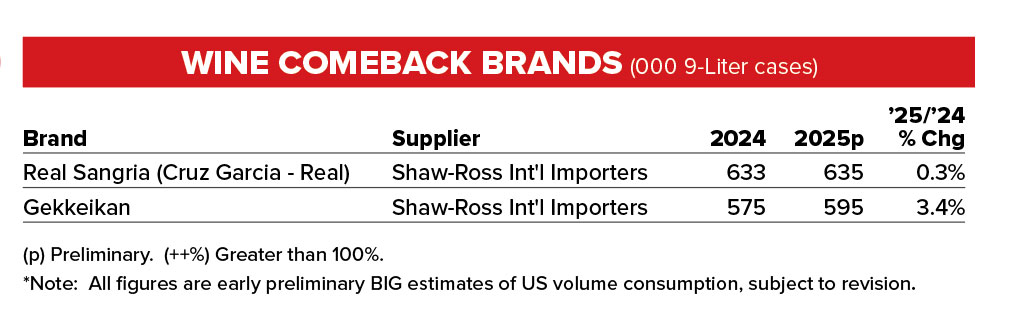
The wellness aspect has given some sake brands a boost, too. As more consumers become more health conscious, “We see sake continuing to benefit, as it is one of the cleanest alcohol options available,” says Skyler Edwards, national brand manager for Gekkeikan.
The brand this past year focused on Black and Gold, the number-one premium sake in the U.S. “We had great success in expanding this offering as a natural trade up from Gekkeikan Traditional,” says Edwards.
We will continue to focus on this item as we see more exploration and trading up in the sake category.”
QPR and Packaging
Given the worsening inflation and general economic turmoil, price is a factor for many consumers. It’s not about the cheapest bottle, however, but the QPR — quality price ratio.
Today’s consumers — especially younger drinkers — are looking for premium quality at an accessible price point, says Reid Stefan Yahney, national brand manager for The Pale, a Rising Star winner from Shaw-Ross International Importers. “The Pale sits perfectly at that intersection, appealing to both new wine drinkers and traditional rosé lovers alike.”
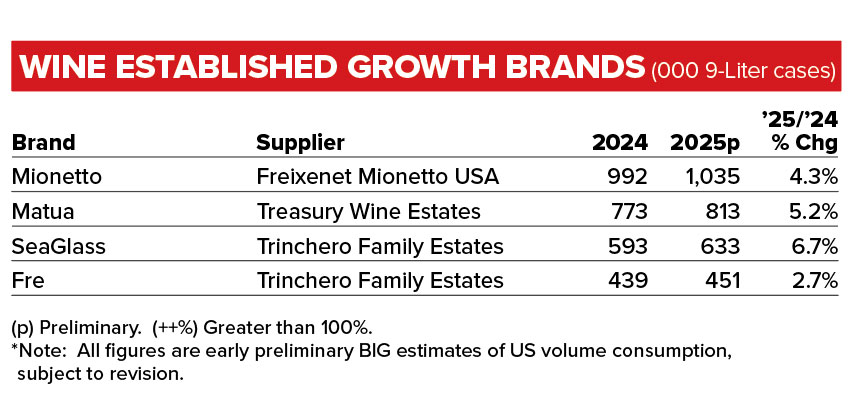
Consumers are still putting an emphasis on their purchasing decisions to ensure they are buying and experiencing quality, says Enore Ceola, CEO of Freixenet Mionetto USA. “Consumers are focused on the ingredients, the story behind the brand and how it fits into their lifestyle.”
OZV, Oak Ridge Winery’s largest brand, received a 94-point rating from Wine Enthusiast, which unlocked some new promotional opportunities, Styron says. “We capitalized by using the packaging as a marketing tool, adding the accolade to the box and the label — this was further amplified by adding a new size, the OZV 1L, exclusively for Costco.”
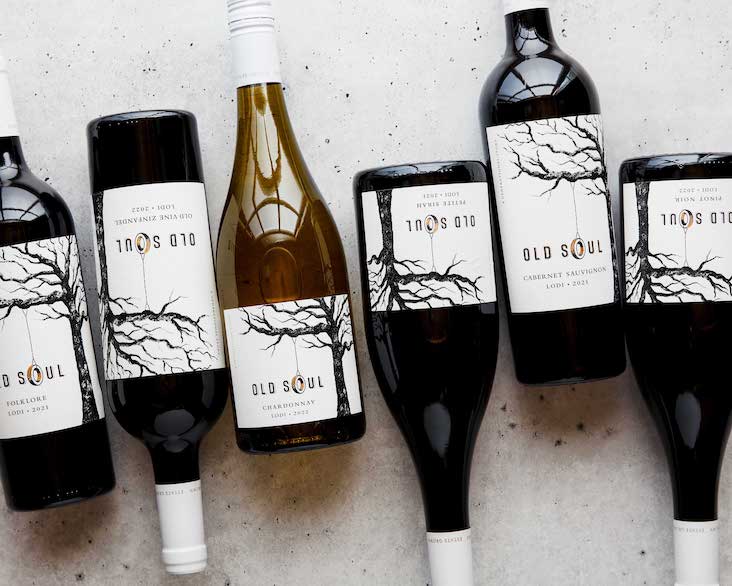
The company’s Old Soul went through a brand refresh in 2023 that has resonated with consumers. “The wine consistently scores well, with an eye-catching package, and key promotional periods during the year that highlight the brand’s consumer connection with Old Soul’s call to heritage and sustainability,” Styron notes.
Oak Ridge Winery’s Maggio Family Vineyards, primarily an on-premise brand, is marketed as such. “Our sales team targeted event venues and restaurant groups, and this wine is also served in a 20L keg format, which helps move volume,” says Styron.
Trinchero brand Echo Bay refreshed its visual identity and creative assets, Wohld says, leaning into the seasonality of sauvignon blanc and highlighting approachable outdoor moments. “The update was designed to bring a fresh expression of Marlborough to life — capturing a sense of sunshine, ease and freshness that resonates with today’s sauvignon blanc drinker, particularly in spring and summer.”
Zero-proof Pours
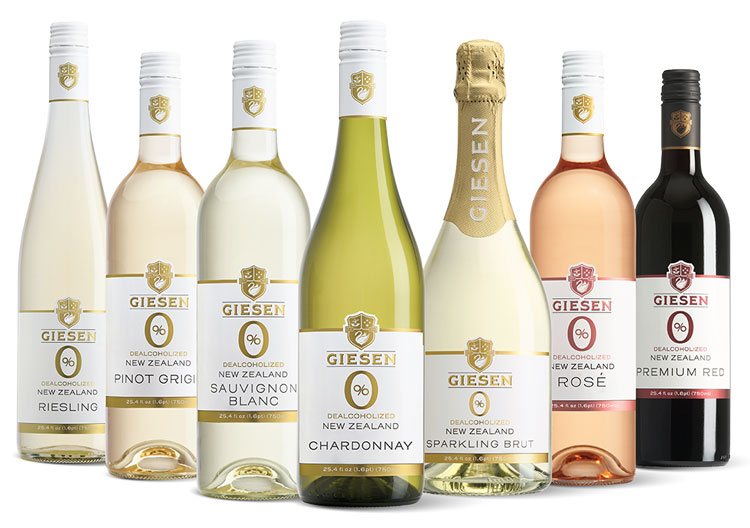
Consumers are integrating nonalcoholic products into everyday life, “not as a substitute, but as a lifestyle choice, raising expectations around quality, taste, availability and brand credibility,” says Wohld. “As more players enter the space, brands that deliver consistently and authentically are winning.”
Trinchero’s FRE alcohol-removed wine brand has grown thanks to its category leadership, consistent quality and strong consumer relevance, she adds. “As non-alc interest expands, shoppers continue to gravitate toward brands they trust.”

The company has also expanded its Seaglass portfolio to meet evolving consumer needs, particularly with its alcohol-removed wines. “These offerings allow Seaglass to participate in the fast-growing moderation space while staying true to our core of coastal refreshment and quality,” Wohld says.
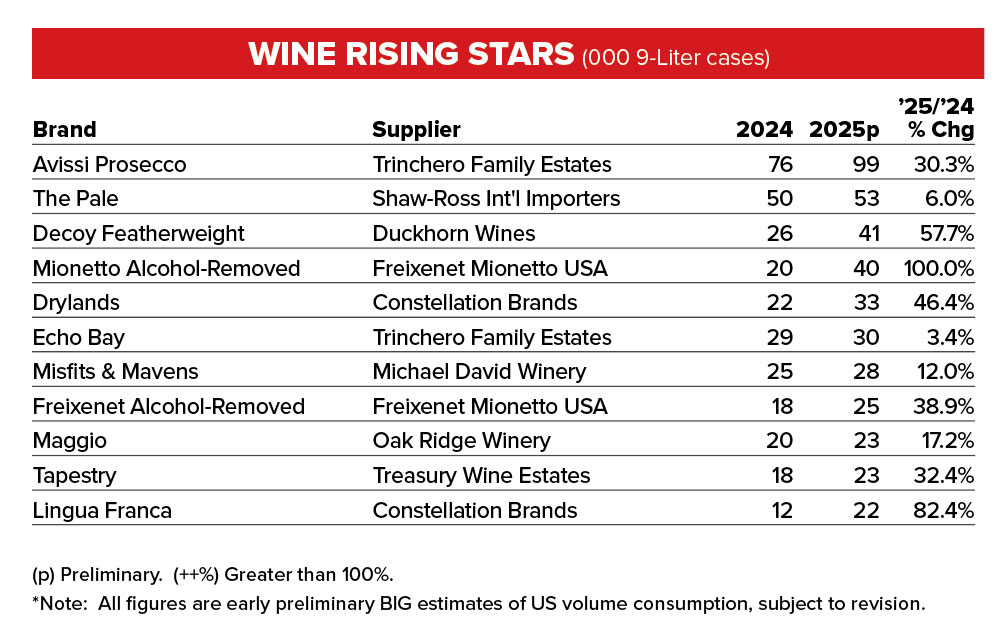
Freixenet and Mionetto both won Rising Star awards this year for their alcohol-removed expressions. Mionetto in early 2025 boosted its alcohol-removed range with the introduction of Aperitivo alcohol free, says Ceola.
“Aperitivo alcohol free was crafted to give consumers the opportunity to enjoy a zero-proof version of their favorite spritz. We also introduced an Aperitivo co-pack featuring our alcohol-removed sparkling wine and Aperitivo alcohol free so everything you need was bundled together.”
White Still Hot
Crisp, aromatic white wines are undeniably a consumer favorite, Wohld says. “Strong category tailwinds have helped Echo Bay as sauvignon blanc — particularly from New Zealand — continues to outperform within the white wine category.”
It also helps that sauvignon blanc remains one of the most listed white wine varietals on U.S. restaurant wine lists, she adds.
Oak Ridge Winery has introduced a chardonnay to the OZV portfolio, “where we hope to leverage the brand’s growth and recognition to capture more consumers,” Styron says. “It is still in the trial phase with Safeway, but so far the feedback is promising.”
Though Decoy’s legacy lies in cabernet, Caplan says, “we see an opportunity to focus even further on our whites in the years ahead — sauvignon blanc and chardonnay — which continue to outperform with consumers.”
Events, Promotions and Partnerships
Experiences are a core focus for Avaline, says Purcell. “From immersive consumer events to in-market tastings at key industry moments like the South Beach Wine & Food Festival and New York Food & Wine Festival, we’re creating opportunities for people to engage with the brand in real life.”
Strategic partnerships and events have been especially impactful, driving trial, expanding its audience and reinforcing what sets Avaline apart in the wine category, she says. Some of Avaline’s most meaningful recent partners include Crown Affair, Moda Operandi, Anthropologie Weddings and ROE Caviar.
Experiential activations played a key role for FRE, Wohld says. “By engaging consumers at cultural touchpoints, such as music festivals, film festivals and curated membership communities, we met consumers in moments that aligned naturally with moderation and balance. In-store support and targeted promotions helped convert that awareness into repeat purchase.”

In summer 2025, Decoy was named the exclusive official wine partner for the Television Academy’s 77th Emmy Awards season. “In tandem with the announcement, we launched Decoy’s new brand platform, ‘Pour to What’s Possible,’ designed to connect with consumers on an emotional level and positioning Decoy as a catalyst for moments of personal progress, sparking connections and chasing new possibilities,” says Caplan. “This platform was supported by the brand’s largest marketing investment to-date across television, social media, influencer and programmatic digital.”
Participation in major wine and spirits events across the U.S., combined with strategic influencer partnerships, has been key for The Pale, says Yahney. “The Pale has taken a true grassroots approach to building awareness — meeting consumers where they are and creating authentic moments around the brand.”
Mionetto executed its Mionetto Salone immersive Italian experience program at SXSW. “We returned to Belmont and Saratoga with the New York Racing Association, and continued our social media and marketing programs to further reinforce our Italian roots, heritage and winemaking,” Ceola says. “We do not see consumers turning away from spritz culture, so we will continue to activate in markets across the country where we can bring the Mionetto spritz to life,” he notes.
Seaglass’s success has been fueled by highly visible, retail-first programming paired with experiential activations and intentional digital dialog that bring the brand to life, Wohld says. “Seasonal campaigns like our summer ‘Coast is Calling’ program helped us win during peak consumption moments, while partnerships with organizations like Surfrider and the US Open of Surfing reinforced our authentic connection to the coast and drove meaningful consumer engagement.”
Echo Bay expanded its oyster-forward lifestyle platform, activating hyper-local promotions such as oyster happy hours, seafood pairings and seasonal sauvignon blanc features that resonate with restaurant and wine bar partners. “Sweepstakes and seafood cross-merchandising initiatives further supported incremental sales and seasonal relevance, particularly during peak spring and summer occasions,” says Wohld.
Oak Ridge Winery has a full portfolio push in March to align with Women’s History Month, “where we promote our brands and winery as women-led and women-made across various channels — retail, social, digital,” says Styron. “This really helps set the cadence for the year, and while we see a bit of a dip in the summer, we pick it up again in the fall with our OZV Halloween campaigns, Old Soul’s ‘Pour the Thanks’ promotions, and Maggio’s focus on by-the-glass features during fall menu resets.”
Education and Storytelling
Highlighting the legacy of Sacha Lichine and the family heritage behind Whispering Angel has been an important part of the story for The Pale, Yahney says. “Leaning into that pedigree has strengthened brand recognition and reinforced The Pale’s credibility in a crowded rosé space.”
In the emerging sake category, “it is incumbent upon both Shaw-Ross and Gekkeikan to be leaders in education of the category as well as consumer experiences,” says Edwards. “We had a strong focus in 2025 on more tastings and educational consumer experiences so that more people can explore the category with more confidence.”
Gekkeikan aims to bring more education and experimentation to the sake category through engaging consumer events, and trial, Edwards says. “Our goal is to make sake consumers as comfortable ordering sake as they are with wine. We also want to focus education to restaurants and retailers so their staff is empowered to talk about sake in an engaging way with consumers.”
Duckhorn equipped its distributor and retail partners with enhanced education assets, programming and storytelling tools to deepen their engagement with its wines, says Salmon. “For consumers, we activated a broad, integrated approach combining national media, strategic partnerships and immersive experiences.”
Prosecco Still Perks
Prosecco remains a strong performer in the U.S. for many brands. “At the core of Mionetto is innovation, and we are proud to continue to innovate the prosecco category across the North Americas,” says Ceola.
Avaline launched a low-sugar prosecco ahead of the 2025 holiday season, and it quickly became one of the top-10 selling proseccos at Target and the fastest-selling single-bottle release in Avaline’s DTC history within its first 30 days, Purcell says. “It also drove strong repeat behavior, with more than one in four customers purchasing again.”
For Trinchero’s Avissi prosecco brand, “One key growth driver was performance in national and regional on-premise accounts, where partners have successfully leveraged Avissi’s consistent quality, versatility, and food-friendliness to drive incremental business,” says Wohld.
Avissi programming around spritzes and prosecco-based cocktails, brunch, celebrations, New Year’s Eve and poolside moments helped reinforce prosecco’s role as an accessible, celebratory wine for both everyday and special occasions. These activations translated well across both on-premise and off, she says.
Value-driven premiumization and “treat” culture is also driving purchases, Wohld adds. “Consumers continue to look for wines that feel elevated yet accessible, and for easy ways to add a bit of fun and celebration to daily life.”
Feature photo by Maria Kovalets on Unsplash.
Melissa Dowling is editor of Cheers magazine, our on-premise sister publication. Contact her at mdowling@epgacceleration.com.